
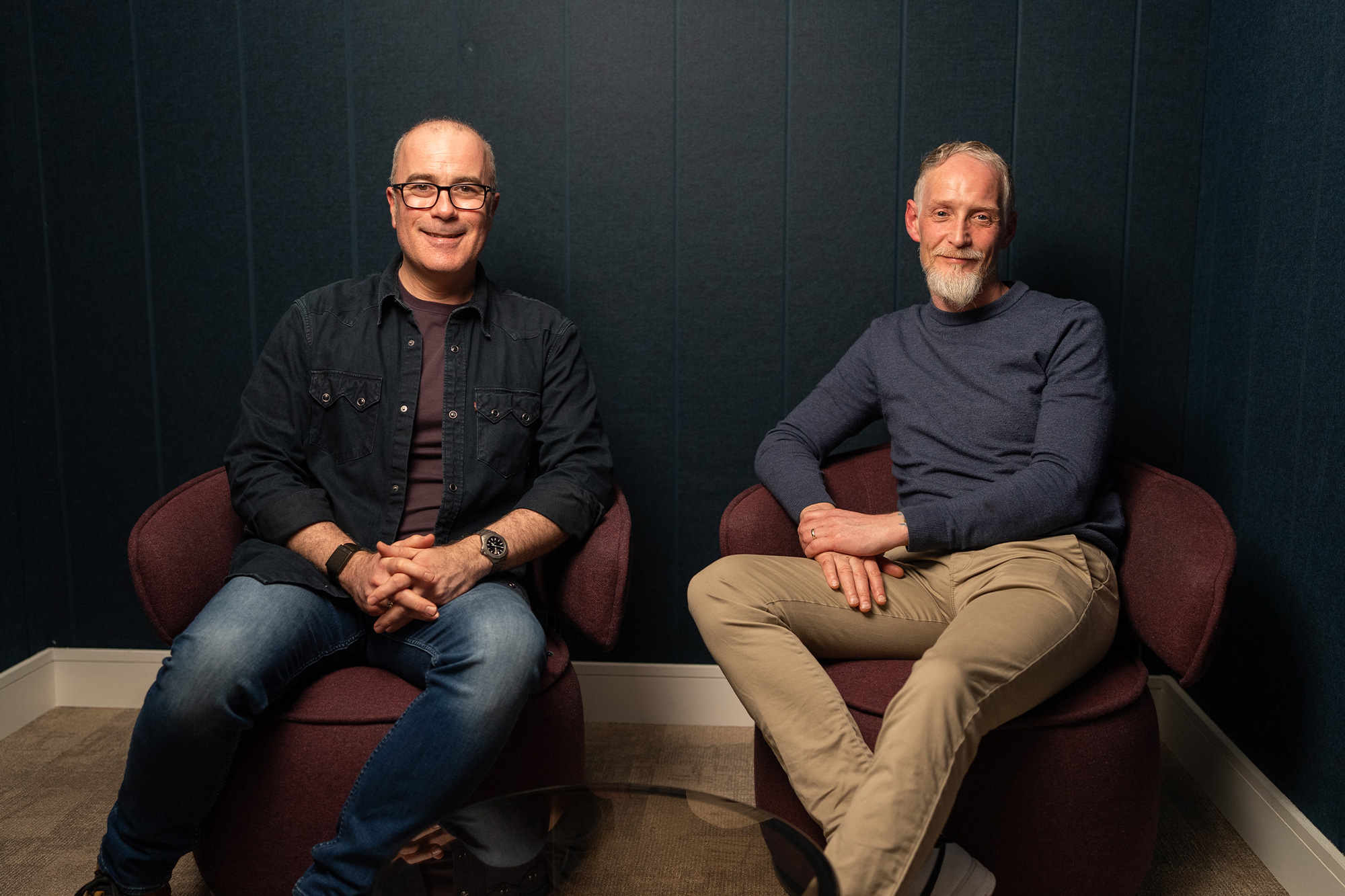
Artificial intelligence red teaming plays a critical role in ensuring generative AI systems are safe and resistant to misuse. In this webinar, experts explore what red teaming work actually involves and the psychological demands placed on the people responsible for testing AI systems.
The discussion highlights how red teamers simulate harmful behaviors to identify vulnerabilities in AI models, often requiring them to adopt the perspective of malicious actors. While this work is essential for protecting users and improving AI safety, it can introduce unique psychological risks that differ from those experienced in related fields such as content moderation.
The webinar explores these challenges and outlines how organizations can design systems, support structures, and training to ensure this work is carried out safely and sustainably.
What is AI red teaming?
AI red teaming is a critical process used to test the safety and resilience of generative AI systems before they are released at scale. In this video, we introduce what red teaming involves in practice and why it has become an essential part of responsible AI development.
Red teamers take on the role of “bad actors,” deliberately attempting to generate harmful, unsafe, or policy-violating outputs. By simulating how real-world users might try to exploit these systems, they help uncover gaps in safeguards that may not be visible through standard testing approaches.
By identifying these vulnerabilities early, organizations can strengthen model behavior, improve safety mechanisms, and reduce the risk of harm. This work plays a key role in ensuring AI systems are robust, secure, and safe for public use.
AI red teaming vs content moderation
While AI red teaming and content moderation both operate within trust and safety environments, the nature of the work differs in important ways. This video explores those differences and why they have significant implications for how the roles are structured and supported.
Content moderation is primarily reactive, involving the review of content created by others. In contrast, red teamers actively generate harmful or high-risk scenarios themselves in order to test the limits of AI systems. This makes the work more intensive, both cognitively and emotionally.
The shift from passive exposure to active creation introduces new challenges that organizations must recognize. Understanding this distinction is essential for designing roles, setting expectations, and providing the right level of support.
The psychological impact of acting as a “bad actor”
A defining aspect of AI red teaming is the need to repeatedly adopt the mindset of a malicious actor. This video explores how engaging in that role can affect an individual’s sense of identity, self-perception, and emotional wellbeing over time.
Creating harmful prompts, even in a controlled environment, can lead to internal conflict. Individuals may begin to question their values or feel uncomfortable with their ability to generate such content. Feelings of shame, self-doubt, or disconnection can emerge if these experiences are not properly supported.
Recognizing these risks is essential. Without appropriate safeguards, the impact of this work can extend beyond the workplace, influencing relationships, confidence, and overall mental wellbeing.
Creative fatigue and cognitive load
AI red teaming relies heavily on sustained creative thinking, as workers must continuously develop new ways to test and challenge AI systems. This video explores the cognitive demands associated with that process and how they differ from more traditional roles.
Unlike work that is repetitive or reactive, red teaming requires constant idea generation under time pressure. As systems improve, prompts must become more complex and nuanced, increasing the level of effort required to produce meaningful outputs.
When this demand is combined with productivity expectations, it can quickly lead to creative fatigue. Without sufficient time to recharge, both performance and wellbeing can be impacted, making it essential to manage cognitive load effectively.
Designing organizations for safer red teaming
The sustainability of AI red teaming is heavily influenced by how organizations design and manage the work. This video explores the structural and operational factors that can either support or undermine employee wellbeing.
Key areas such as recruitment, team structure, leadership capability, and performance expectations all play a role. Applying traditional content moderation models to red teaming can create misalignment, particularly when it comes to productivity and creative demand.
Organizations that take a more informed and proactive approach can better support their teams. By aligning systems with the realities of the work, they can reduce risk, improve outcomes, and create a more sustainable operating environment.
Training, de-rolling and protecting wellbeing
Supporting individuals in AI red teaming roles requires more than awareness—it requires practical tools and structured approaches. This video focuses on how training and support mechanisms can help individuals navigate the psychological demands of the work.
Concepts such as “bad actor” training and de-rolling techniques are designed to help individuals separate their professional role from their personal identity. These approaches can reduce the risk of emotional carryover and help individuals reset after engaging in challenging tasks.
By combining training, psychological safety, and clear support systems, organizations can create an environment where employees feel supported and protected. This ensures the work remains both effective and sustainable over time.
Full discussion
Watch the full recording to gain a deeper understanding of the conversation and how each theme reflects the realities of high-pressure work environments.
If you prefer to listen via podcast
Spotify
Apple Podcasts